Lifts are an essential part of modern buildings. They help people move quickly and safely between floors, making daily life easier for everyone. However, like any mechanical system, lifts require regular care to function properly. Without proper attention, lifts can become unsafe and inefficient, causing delays, accidents, and costly repairs. This is where professional lift servicing becomes crucial for building owners and managers.
The Importance of Regular Lift Servicing
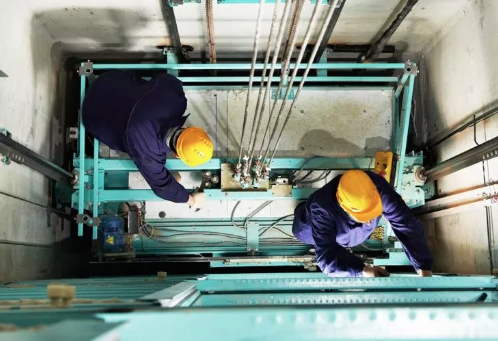
Regular lift servicing ensures that all parts of the lift are working correctly. During a service, technicians check the lift’s mechanical and electrical components, inspect safety systems, and test the overall performance. This helps identify potential issues before they become serious problems. Regular servicing not only prevents breakdowns but also extends the lifespan of the lift, saving money in the long run.
Enhancing Safety Through Lift Servicing
Safety is the most important reason to invest in lift servicing. Lifts carry many people every day, and even minor malfunctions can lead to accidents. Servicing includes inspecting cables, brakes, doors, and emergency systems to make sure they operate as intended. Technicians can detect worn-out parts or unusual wear patterns that might cause a failure. By addressing these issues promptly, lift servicing reduces the risk of accidents and ensures passengers can rely on the lift for safe transportation.
Improving Lift Efficiency
A lift that is regularly serviced runs more efficiently. Properly maintained lifts move smoothly, respond quickly to calls, and use energy more effectively. Inefficient lifts may take longer to travel between floors, consume more electricity, or produce excessive noise. Lift servicing includes lubrication, adjustments, and component replacement, which keep the lift running quietly and efficiently. Efficient lifts not only improve user experience but also help building owners reduce energy costs over time.
Compliance with Legal and Safety Standards
Many regions have strict laws and safety regulations regarding lift operation. Regular lift servicing ensures that your building meets these requirements. Certified technicians document the service, perform safety tests, and provide reports that demonstrate compliance. This documentation can protect building owners in case of inspections or liability claims. Keeping lifts compliant through servicing shows a commitment to safety and responsible building management.
Reducing Long-Term Maintenance Costs
Ignoring lift maintenance may seem like a cost-saving choice, but it often leads to higher expenses later. Malfunctions that could have been detected early during lift servicing can result in major breakdowns, emergency repairs, or even the need for complete replacement. Regular servicing identifies issues early, allowing for timely repairs that are less expensive and disruptive. In this way, investing in lift servicing is not just about safety—it’s also a smart financial decision.
Enhancing Passenger Experience
A well-serviced lift offers a better experience for everyone using the building. Passengers benefit from smooth rides, reliable operation, and minimal waiting times. Lift servicing also ensures that emergency systems, such as alarms and intercoms, are functional, giving users peace of mind. When lifts operate efficiently and safely, it reflects positively on the building’s overall management and reputation.
Conclusion
Lift servicing is essential for maintaining a safe, efficient, and reliable lift system. It protects passengers, improves performance, ensures legal compliance, and helps prevent costly repairs. Building owners who prioritize regular lift servicing not only safeguard the people using their facilities but also enhance the building’s value and operational efficiency. In the long run, consistent lift maintenance is a small investment that delivers significant benefits for safety, performance, and peace of mind.